

Blog
Voice Search in 2026: How South African Businesses Can Get Found Faster

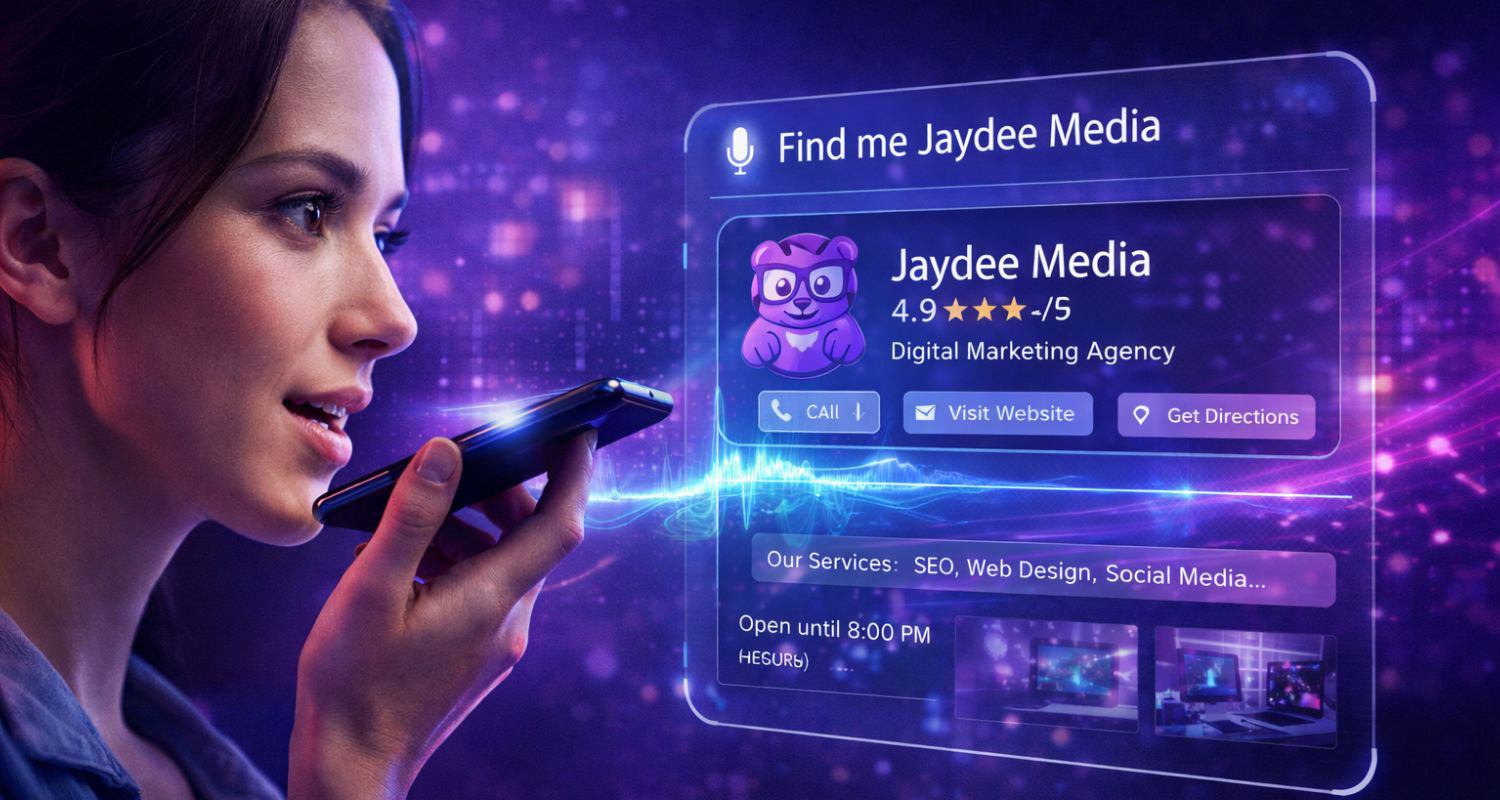
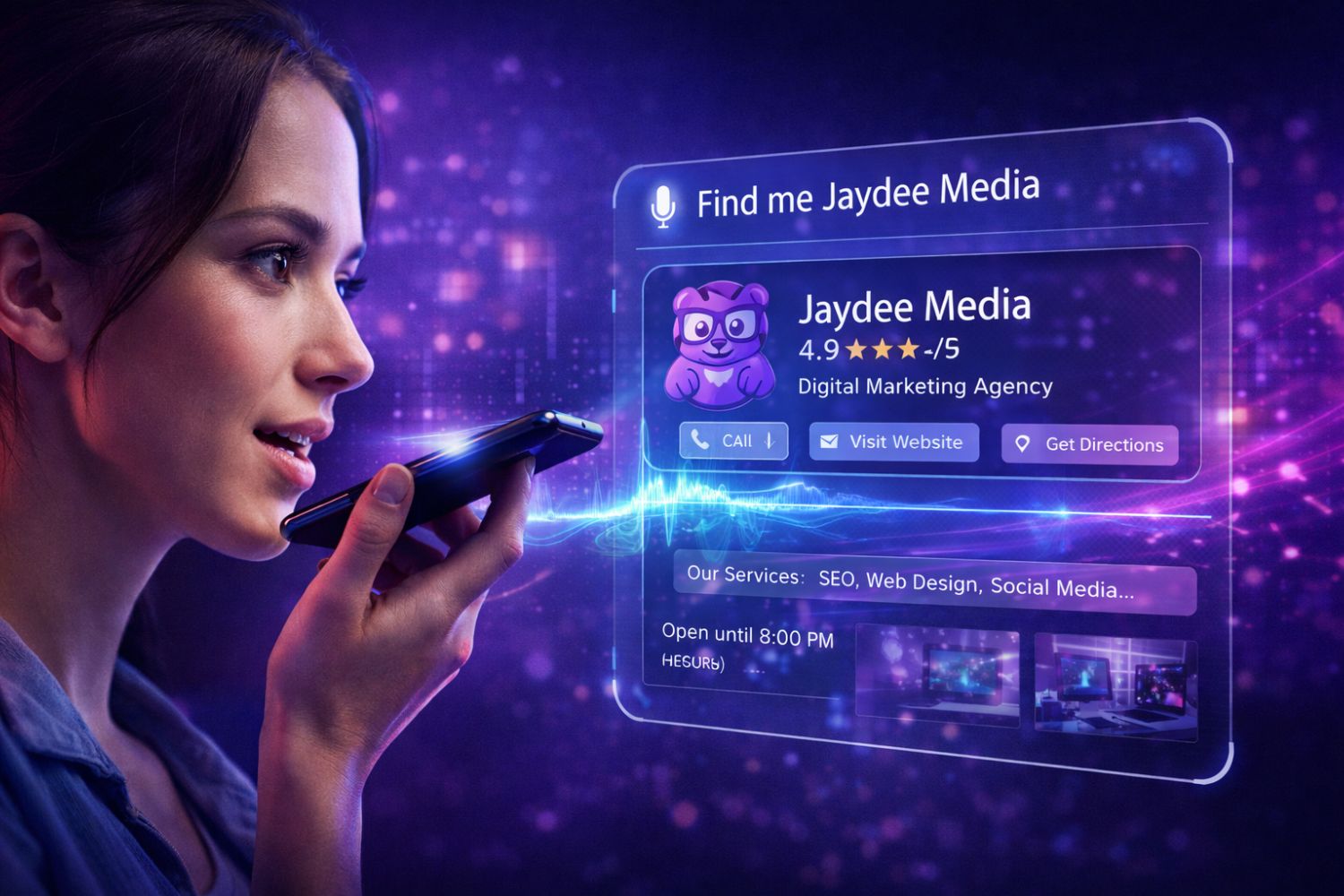
Voice search is no longer a “nice to watch” trend — it’s quickly becoming part of how people search every day.
From smartphones and in-car systems to smart assistants, more users are speaking their searches instead of typing them. And here’s the key shift: voice searches are more conversational, more local, and more intent-driven.
If your business wants to stay visible in 2026 and beyond, voice search optimisation needs to be on your radar.
Let’s break it down in plain English.
What Is Voice Search (Really)?
Voice search happens when someone speaks a query instead of typing it.
Instead of typing:
SEO services Cape Town
Users now say:
“Who offers the best SEO services near me?”
Notice the difference?
Voice searches are:
More natural
More question-based
Often local
Usually high intent
This changes how websites need to structure their content.
Why Voice Search Matters for South African Businesses
Here’s the truth, Jeanette-style:
Your customers are already using voice search — especially on mobile.
In South Africa, voice usage is growing because:
📱 Smartphone usage is extremely high
🚗 In-car voice assistants are increasing
🗣️ Users want faster, hands-free answers
📍 “Near me” searches continue to rise
Businesses that optimise early gain a serious visibility advantage.
👉 The winners in 2026 will be businesses doing BOTH.

Voice Search vs Traditional SEO
Good news: voice search does NOT replace SEO.
It builds on it.
Traditional SEO focuses on:
Keywords
Rankings
Backlinks
Technical structure
- Link Building
Voice search optimisation adds:
Natural language content
Question-based queries
Featured snippet readiness
FAQ content
Local intent signals

How to Optimise Your Website for Voice Search
Here are the practical steps that actually move the needle.
1️⃣ Use Natural, Question-Based Content
Voice searches are conversational.
Your content should answer real questions like:
- Who offers…
- Where can I find…
- How much does…
- What is the best…
Quick win: Add strong FAQ sections (you’re already doing this — good move).
2️⃣ Strengthen Your Local SEO
Voice searches are heavily local.
Make sure you have:
📍 Optimised Google Business Profile
📍 Consistent NAP details
📍 Local keywords
📍 Location pages where relevant
This is especially important for Jaydee Media’s local clients.
3️⃣ Improve Website Speed and Mobile Performance
Voice results favour sites that are:
⚡ Fast
📱 Mobile-friendly
🔒 Secure (HTTPS)
🧩 Technically clean
Slow sites rarely get selected for voice answers.
4️⃣ Implement Structured Data (Schema)
Schema helps search engines understand your content clearly.
Focus on:
- FAQ schema
- Local business schema
- Product schema (for eCommerce)
- Service schema
👉 This is a big GEO/AIO signal going forward.
5️⃣ Build Topical Authority
AI and voice systems prefer trusted sources.
That means:
- Helpful content
- Consistent publishing
- Clear expertise signals
- Strong internal linking
Voice search isn’t replacing traditional SEO — it’s expanding the playing field.
If your website is:
- Fast
- Well-structured
- Helpful
- Locally optimised
- Built around real user questions
…you are already moving in the right direction.
The Future: Voice + AI + Generative Search
Here’s where things are heading.
Voice search is merging with:
- AI Overviews
- Generative search
- Conversational assistants
- Multimodal search
In simple terms:
👉 Search is becoming more human
👉 Answers are becoming more direct
👉 Authority is becoming more important
Businesses that adapt now will be far ahead by 2026–2027.
Top 10 Frequently Asked Questions (The Voice Search)
Is voice navigation the same as a chatbot?
Not exactly. A chatbot is a type of Conversational UI (usually text-based), while voice navigation is a specific function that allows you to move through an app or a physical space using sound.
Can I use voice navigation on my website?
Yes! Many modern websites are incorporating voice search to assist users in finding products or information without having to scroll through lengthy, confusing menus.
Why is voice search important for my business in 2026?
Voice search is growing fast because users want quick, natural answers. Optimising for voice helps your business appear in spoken queries, AI summaries, and featured results — giving you more visibility beyond traditional search rankings.
Do I need a special website to support voice search?
Not necessarily. Most websites can be optimised for voice search by improving page speed, mobile usability, structured data, and by writing content that answers real questions clearly and naturally.
How do I optimise my website for voice search?
Start by focusing on natural-language keywords, FAQ sections, fast loading speeds, mobile optimisation, and structured schema markup. Voice search works best when your content directly answers the kinds of questions people actually speak aloud.
Does voice search affect SEO rankings?
Yes — indirectly. Voice search favours websites that are well-structured, fast, mobile-friendly, and authoritative. Sites that already follow strong SEO best practices are more likely to be selected for voice answers and AI-generated results.
Are people in South Africa really using voice search?
Absolutely. With the widespread use of smartphones and voice assistants, more South Africans are using voice search for directions, local services, and quick answers. This trend is expected to grow significantly through 2026 and beyond.
What types of businesses benefit most from voice search?
Local service businesses, eCommerce stores, tourism companies, and professional services benefit greatly. Any business that relies on “near me” searches or quick customer questions should be preparing for voice-driven discovery.
Is voice search only for Google and smart speakers?
No. Voice interaction is expanding across mobile apps, in-car systems, websites, AI assistants, and even customer support platforms. It’s part of a broader shift toward conversational digital experiences.
What is the first step to becoming voice-search ready?
The best first step is a professional SEO and website audit to identify technical gaps, content opportunities, and quick wins that can improve your visibility in both traditional and AI-driven search.
Need Help Becoming Voice-Search Ready?
At Jaydee Media, we help South African businesses optimise for modern search — including SEO, AEO, and voice search readiness.


